
Photo organizer software for Windows 11 caters to various user types, including professional photographers needing efficient cataloging, casual users wanting personal organization, and businesses requiring inventory management.
The range of users for photo organizer software Windows 11 involves multiple demographics and needs. Amateur photographers often require a solution that allows them to manage their growing collections of images efficiently. These users may prioritize features like intuitive interfaces, simple tagging systems, and basic editing tools to augment their photos. Additionally, they may seek software that supports multiple file formats to accommodate different cameras and devices. The ability to create albums or thematic collections can further assist these users in organizing their work.
Professional photographers represent another key user segment for photo organizer software Windows 11. Their requirements tend to be more advanced, with a focus on features that support high-resolution files and detailed metadata management. Professionals work with large volumes of images and need sturdy search capabilities to locate specific photos quickly. Integration with other editing software can also be indispensable for a smooth workflow. Such users typically benefit from batch processing options to handle multiple files simultaneously, facilitating efficiency in their work.
Hobbyists and enthusiasts may fall into a different category, seeking software that balances functionality with ease of use. This group often enjoys experimenting with photography and requires an organizer that accommodates various creative projects. They might look for features such as the ability to create slideshows or share albums with friends and family. Compatibility with social media platforms can also be a priority, allowing for easy sharing of their favorite moments. Such users appreciate tools that allow for customization and personalization of their photo catalogs.
Families and everyday users represent a significant portion of the photo organizer software Windows 11 audience. This demographic typically focuses on organizing personal photographs, capturing family memories, and preserving special events. The software must prioritize user-friendly features, enabling even those with minimal technical skills to navigate with ease. Cloud integration may be indispensable for these users, as it provides a secure way to store and access photos across various devices. The ability to create printed photo books or custom gifts can also appeal to users looking to commemorate their experiences.
Educational institutions may also employ the capabilities of photo organizer software Windows 11. Teachers and students engage in projects that require the collection and presentation of visual materials. For educators, having an organized repository of images related to specific subjects can improve lesson planning and classroom activities. Students may use the software to compile portfolios or document their learning journey. Features that enable collaborative work or sharing among peers can markedly strengthen the value of such software in academic settings.
Business users, particularly those in marketing and branding, frequently utilize photo organizer software Windows 11. This group needs to curate extensive image libraries for advertising and promotional purposes. Efficient categorization and tagging of images help streamline the selection process, especially when working on campaigns with tight deadlines. High-quality image management is indispensable for maintaining brand consistency across various platforms. User permissions and collaboration tools can also enrich teamwork within marketing departments.
Main Features of Photo Organizer Software for Windows 11 for Searching Duplicate Images
Photo organizer software for Windows 11 scans user libraries to identify duplicate images, employing advanced algorithms that compare file names, sizes, and content to streamline collections effectively.
Photo organizer software Windows 11 enables users to manage and categorize their image collections efficiently. Utilizing advanced algorithms, this software scans the designated folders and libraries to compile a exhaustive list of images stored on the device. The process begins with an initial analysis of the file structure, allowing the software to create a database of available images. Once the images are cataloged, the software proceeds to evaluate metadata, such as creation dates, resolution, and file types, further amplifying the organization process. This foundational step is critical for users looking to streamline their photo management experience.
A significant feature of this software is its ability to identify duplicate images across various folders. Duplicate image detection employs sophisticated hashing techniques, which compare images based on their content rather than just file names or sizes. This method ensures a more accurate identification of duplicates, whether or not the images have been renamed or altered slightly. By examining pixel data, the software can detect similarities and flag redundant files for the user. This capability not only saves storage space but also simplifies the overall photo management task.
Once duplicate images are identified, users have multiple options for handling these files. The software typically presents users with a side-by-side comparison of duplicates, allowing for informed decision-making. Options might include deleting, moving, or merging images into a single file during retaining original quality. Users can also create custom filters to streamline the selection process, such as specifying which images to keep based on their resolution or modification date. This flexibility empowers users to customize their photo organization experience according to personal preferences.
In addition to duplicate detection, photo organizer software Windows 11 comes equipped with tagging and categorization features. Users can assign tags or labels to images, improving the searchability of their collections. These tags might include event names, dates, or locations, making it easier to retrieve specific images later. Furthermore, creating albums or folders based on these tags allows for a more organized visual library. The integration of tags with duplicate detection means that even when similar images exist, they can be easily sorted and managed effectively.
Searching for specific images is streamlined through the software’s search functionalities, which support various criteria. Users can search by keywords, tags, or specific metadata attributes, such as date ranges or file types. This powerful search capability allows users to navigate large collections smoothly, although they contain thousands of images. Additionally, the software may offer advanced search options that incorporate filters to refine results further. Such features boost the overall user experience, making it easier to locate images without sifting through endless folders.
The software also supports batch processing, which is particularly useful for users managing large quantities of images. This feature allows multiple images to be edited, tagged, or organized simultaneously, significantly reducing the time required for manual adjustments. For example, a user might select a group of photos taken during a specific event and apply the same tags or adjustments at once. This capability is critical to anyone seeking to maintain an efficient workflow meanwhile managing extensive photo libraries. Batch processing not only saves time but also minimizes the risk of errors that can occur when handling images individually.
Recommended Criteria for Photo Organizer Software for Windows 11 for Image Collection
Effective photo organizer software for Windows 11 should offer features such as customizable tags, intuitive search functions, integrated integration with cloud storage, and user-friendly interfaces for easy navigation.
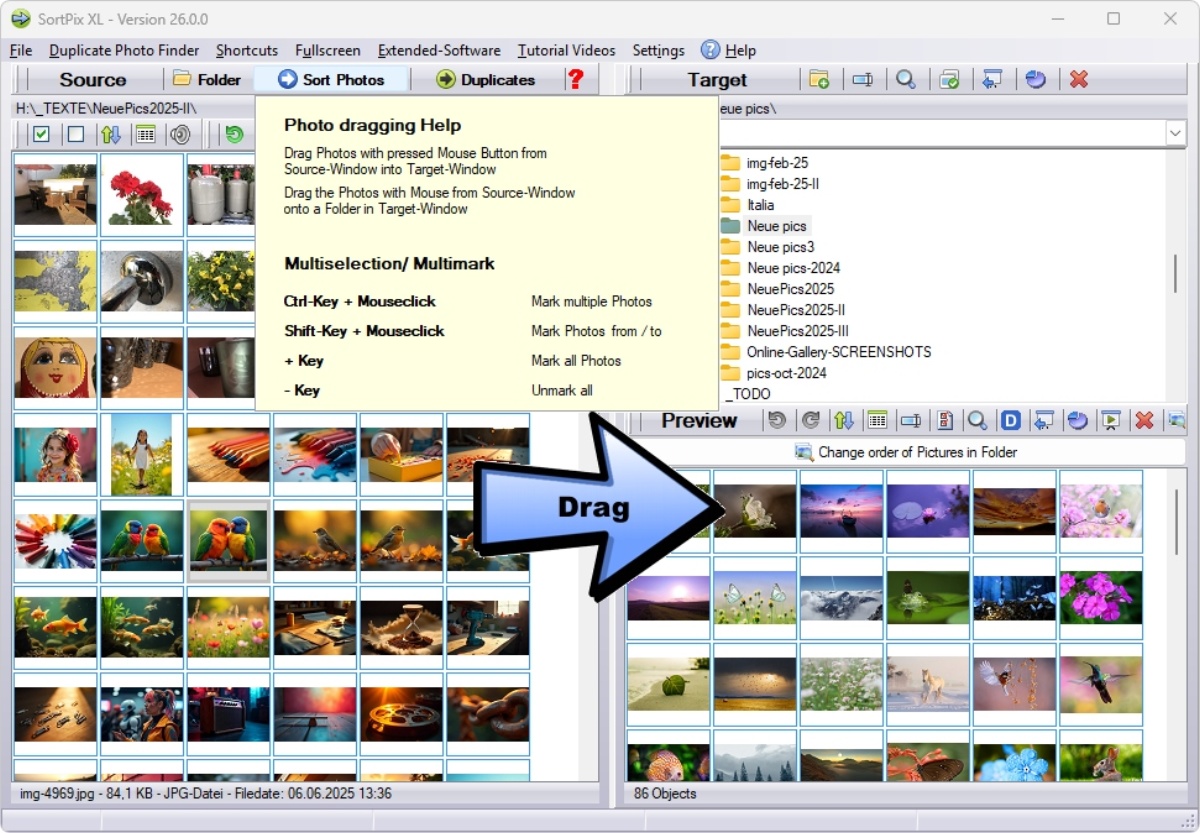
When evaluating photo organizer software for Windows 11, several criteria can noticeably improve the user experience and promote effective photo management. A primary consideration is the software’s user interface, which should be intuitive and easy to navigate. This allows users to upload, categorize, and access their image collections easily. A well-designed interface minimizes the learning curve, making it easier for users to perform tasks without unnecessary complexity. Additionally, features such as drag-and-drop functionality can streamline the process of organizing and arranging photos.
Another critical criterion is the software’s capability to support diverse file formats. Given the variety of image formats used today, including JPEG, PNG, TIFF, and RAW files, the software must be versatile in handling these different types. Adequate support for multiple formats ensures that users can easily import their existing collections without compatibility issues. Furthermore, the ability to manage other media types, such as videos, can add to the software’s utility. This flexibility can augment the overall multimedia organization experience.
Performance is also crucial when selecting photo organizer software for Windows 11. Speed and efficiency in handling large collections are essential; the software should exhibit quick loading times and responsive operations, even with extensive photo libraries. Slow performance can lead to frustration as users attempt to find, manage, or edit their images. Additionally, efficient indexing and search features can significantly improve the user’s ability to locate specific photos quickly. A vigorous search function that supports tags and metadata can further improve the organization and retrieval process.
Cloud integration is increasingly important in modern photo management solutions. The ability to back up and sync photos with cloud storage services provides added security and accessibility across devices. This feature allows users to access their collections from any location and reduces the risk of data loss because of hardware failure. Furthermore, cloud features include sharing options, facilitating undemanding distribution of images with friends or family. As more users adopt mobile devices, having cloud capabilities becomes a significant advantage.
Organizational features characterize effective photo organizer software for Windows 11. The inclusion of tagging, album creation, and customizable folders amplifies users’ control over their collections. Tagging allows for a more granular level of organization, enabling users to group images by event, subject, or date. Customizable albums can cater to specific themes or projects, contributing to a more designed specifically management approach. This level of personalization can help maintain a well-structured photo library.
Editing capabilities also play a vital role in the selection process for photo organizer software. Basic editing tools, such as cropping, filtering, and adjusting brightness or contrast, can help users enrich their images without needing separate editing software. Integration of these features within the organizer allows for a unified workflow, eliminating the need to switch between applications. More advanced editing features, like batch processing, can save time when applying changes to multiple images. Such tools contribute to the overall functionality and appeal of the software.
Vital Criteria for Choosing Photo Organizer Software for Windows 11 Image Collections
With respect to managing your image collection for Windows 11, selecting the right photo organizer software is crucial. Here are some important criteria to consider:
- The software should have an intuitive and easy-to-navigate interface that allows users of all skill levels to organize their photos without confusion.
- Look for software that offers strong search features, allowing users to filter images based on tags, dates, or even content recognition.
- A worthwhile organizer will allow you to edit multiple photos simultaneously, saving time and augmenting efficiency.
- Secure the software can seamlessly integrate with cloud storage solutions for backup, sharing, and accessing images from multiple devices.
- The ability to create albums, collections, and custom tags helps maintain a well-structured library of images.
- Basic editing features for adjusting brightness, contrast, and cropping can be a great asset within the software.
- The application should support a wide range of image formats, including JPEG, PNG, RAW, and TIFF, to accommodate all types of photos.
- Look for software that allows easy access and modification of metadata such as EXIF data, which can help in organizing and sorting images.
- Advanced software may offer facial recognition features to help you quickly organize images based on people.
- The software should efficiently handle large libraries without lagging, providing quick loading times and smooth navigation.
- Choose software that receives regular updates to fix bugs, improve features, and make certain compatibility with Windows 11.
- The ability to customize how you manage and organize your photos can significantly improve your experience and productivity.
- Consider the cost of the software, including any subscription fees, and secure it offers excellent value for the features provided.
- Great software provides a trial version so you can test its features before committing to a purchase.
Instructions for Photo Tagging in SortPix XL Photo Organizer Software for Windows 11
The workflow for using photo organizer software like SortPix XL for Windows 11 includes importing images, applying tags for easy retrieval, and sorting them into categories for better management and accessibility.
Photo organizer software Windows 11 provides users with a streamlined approach to managing and organizing digital images. This software typically allows for the efficient handling of large photo libraries. Users can import images from various sources, including local storage devices and cloud services. Once imported, images can be sorted into folders or albums based on user preferences. This organizational system helps to create a more manageable and visually appealing collection of photographs.
One of the crucial features of photo organizer software Windows 11 is the tagging system. Tagging enables users to associate specific keywords or phrases with images, making them easier to find later. By applying tags such as location, event, or subjects, the software boosts search capabilities. The tagging process is usually straightforward, with options to add multiple tags to a single image quickly. This method significantly improves accessibility, allowing users to retrieve images without scrolling through extensive libraries.
SortPix XL is an example of photo organizer software Windows 11 that offers extensive functionalities for managing images. This software is designed to meet various user needs, from casual photographers to professional artists. SortPix XL allows for batch processing, enabling users to apply edits or tags to multiple images simultaneously. In addition, it supports a wide range of image formats, ensuring compatibility with different file types. This flexibility makes it a suitable choice for diverse photography applications.
Another feature commonly found in photo organizer software Windows 11 is the ability to create slideshows and galleries. Users can select images and compile them into a cohesive presentation, which can be shared easily with others. This functionality augments the ability to showcase photography collections in a visually appealing manner. Additionally, users may have options to customize transitions, backgrounds, and music within their slideshows. This creative aspect turns image collections into engaging visual stories.
Managing duplicates is another vital component of photo organization software. Duplicate images can clutter a photo library and consume valuable storage space. Many software solutions, including SortPix XL, include tools to identify and remove duplicate images automatically. Users can set parameters for what constitutes a duplicate, whether it’s based on file size, date taken, or visual similarity. This feature helps guarantee that the image library remains efficient and organized.
Furthermore, advanced search functionalities within photo organizer software Windows 11 can meaningfully increase user experience. Users can take advantage of specific search criteria, such as date ranges, file types, or tags. This capability allows for quick retrieval of desired images without the need for extensive manual searches. The integration of AI-augmented search options may also assist in locating images based on visual content or characteristics. Such features contribute to a more productive workflow for users with extensive photo collections.
Photo editing capabilities may also be integrated into some photo organizer software. Basic editing tools are included, allowing users to make adjustments such as cropping, color correction, and applying filters. Some software options, including SortPix XL, might provide more advanced editing features or integration with standalone editing applications. This allows users to perform necessary edits without needing to switch between multiple software programs. Consequently, this integration supports a seamless photography management experience.