
Windows 11 photo organizing software offers durable functionality, allowing users to easily tag images with keywords, dates, and locations to streamline photo management and retrieval.
Windows 11 photo organizing software provides a streamlined approach to managing digital images, allowing users to efficiently categorize and retrieve photos. One of the primary features of this software is its tagging system, which enables users to assign keywords to images. By applying tags, people can quickly filter and locate specific photos based on subjects, dates, or events. This method of organization improves the overall user experience, making it easier to navigate large collections of images. The tagging system not only offers flexibility but also supports the creation of custom tags to suit personal preferences.
Another notable aspect of Windows 11 photo organizing software is its integration with cloud storage services. This feature allows users to access their photos from multiple devices perfectly. The software syncs with cloud accounts, ensuring that any edits or additions made on one device are reflected across all platforms. As a result, users can maintain an up-to-date photo library regardless of their location. Such synchronization capabilities highlight the importance of accessibility in modern photo management.
The interface of Windows 11 photo organizing software is designed to be intuitive, making it suitable for both casual users and photography enthusiasts. Navigation tools are straightforward, allowing users to browse their collections with ease. Users can sort their images by various criteria, such as date taken, file size, or alphabetical order. Additionally, the ability to create albums and folders further supports structured organization. This layered approach to photo management enables users to arrange images in a manner that best fits their needs.
Incorporating editing tools within the software augments its functionality, as users can perform basic adjustments without the need for external applications. Common features include cropping, rotating, and adjusting brightness or contrast. This seamless integration of editing capabilities allows for quick enhancements to photos before sharing or archiving. Moreover, the ability to apply filters and effects directly within the organizing software enriches the creative process. Users can refine their images even though maintaining a cohesive workflow.
Collaboration features, such as sharing options, are also integral to Windows 11 photo organizing software. Users can easily share albums or individual images with friends and family through various channels, including social media and email. This functionality encourages the exchange of memories and experiences without the need for complicated uploading processes. Furthermore, shared albums can allow for collaborative tagging, where multiple users contribute to the organization of photos. Such features support community engagement and boost the social aspect of photo sharing.
To address privacy concerns, Windows 11 photo organizing software typically includes safety measures to protect sensitive content. Users can set permissions for shared albums or use password protection for private folders. The software provides options for marking certain images as private, ensuring that personal photos remain secure. Sturdy privacy settings are indispensable for users who wish to balance sharing their experiences whereas maintaining control over their digital content. This aspect of photo management is increasingly necessary in an era marked by heightened awareness of digital privacy.
Defining Qualities of Windows 11 Photo Organizing Software for Removing Identical Images
A unique characteristic of Windows 11 photo organizing software is its ability to intelligently detect and remove identical images, helping users maintain a clutter-free library during saving storage space.
Windows 11 photo organizing software offers a suite of features intended to optimize the management of digital images. One notable characteristic is the advanced capability to detect and remove identical images. This feature is particularly beneficial for users who may accumulate multiple copies of the same photo over time. By exploiting sophisticated algorithms, the software identifies duplicates based on various parameters such as file size, resolution, and metadata. This not only helps in decluttering photo libraries but also optimizes storage space on devices.
The interface of Windows 11 photo organizing software is another aspect that stands out. Users can navigate through their photo collections smoothly, thanks to a user-friendly layout that prioritizes accessibility. Thumbnails display images in a visually appealing manner, enabling quick browsing and selection. Filters can be applied to sort images by date, location, or tags, streamlining the process of finding specific photographs. This organizational efficiency is indispensable for users with extensive image libraries.
Another unique characteristic lies in the integration of artificial intelligence tools within the software. These tools assist in auto-tagging images, making it easier to categorize and retrieve photos. By analyzing the content of images, the software can assign relevant tags based on recognized objects, scenes, or even facial recognition. This automatic tagging significantly reduces the manual effort required to maintain an organized library. Consequently, users can focus on curating their collections rather than spending time on tedious categorization.
Furthermore, the software supports batch processing capabilities, allowing users to manage multiple images simultaneously. This feature is particularly useful for tasks such as resizing, renaming, or applying filters to a group of photos at once. The convenience of batch processing strengthens workflow efficiency, enabling users to save time when organizing or editing their images. Additionally, this capability aligns well with the needs of photographers or content creators who regularly handle large volumes of images.
The collaboration with cloud services is another defining characteristic of Windows 11 photo organizing software. This integration allows for streamlined synchronization of images across devices and platforms. Users can access their photo libraries from multiple devices without the need for manual transfers. Backup options are also enhanced, as images can be securely stored in cloud environments, providing an additional layer of protection against data loss. This connectivity ensures that users can maintain their collections wherever they are.
Editing capabilities within the software also play a significant role in its appeal. Users can perform basic adjustments such as cropping, rotating, and augmenting images without needing separate photo editing tools. These built-in functionalities offer convenience, as users can quickly refine their photos meanwhile organizing them. The software includes filters and effects to boost the visual appeal of images, making it a all-encompassing solution for both organization and enhancement. This integration of editing features streamlines the overall photo management experience.
Preparations for Windows 11 Photo Organizing Software Including Image Tagging with SortPix XL
Before using Windows 11 photo organizing software, it’s vital to prepare by organizing your photo files, tagging images appropriately, and researching SortPix XL for augmented sorting options.
When preparing to use Windows 11 photo organizing software, it is crucial to establish an effective strategy for managing digital images. This involves assessing the current collection of photographs, which may include snapshots from various devices such as smartphones, cameras, and tablets. A thorough inventory will help determine the required organizational structure and the potential need for additional storage solutions. Organizing images into predefined categories can augment the efficiency of the sorting process. Furthermore, this categorization can align with personal preferences or specific projects, making it easier to retrieve images later.
Choosing the appropriate software is essential for optimal photo management. Windows 11 offers several photo organizing applications, each with unique features designed specifically for different user needs. One popular choice is SortPix XL, which provides sturdy functionalities for sorting and tagging images. This particular software allows users to categorize their photos based on various criteria, including date, location, and custom tags. Absorbing the capabilities of available software can significantly influence the effectiveness of the organization process.
Once the software has been selected, it is indispensable to familiarize oneself with its features and interface. Taking the time to venture into the options available in the Windows 11 photo organizing software can streamline workflows and improve overall efficiency. Tutorials and user manuals may provide insights into advanced functionalities such as batch processing and automated tagging. These features can save considerable time, especially when dealing with large volumes of images. Familiarity with the software’s layout can also assist in swiftly maneuvering through the organizing process.
Developing a consistent tagging system is another important aspect of preparing for photo organization. Tags provide a means of categorizing images in a manner that boosts searchability and retrieval. Ideal tags should be descriptive yet concise, allowing users to quickly identify the content of an image. Implementing a standardized tagging approach across the entire collection ensures uniformity and facilitates easier updates in the future. Additionally, using metadata to embed information can add another layer of detail, enabling more advanced searching capabilities.
Sorting images into albums or folders is an effective method for visual organization. This can be based on themes, events, or timeframes, depending on personal preferences and usage patterns. Windows 11 photo organizing software typically allows users to create multiple folders for better categorization. Consideration should be given to how often certain images will be accessed, as frequently used photos may benefit from being in easily accessible locations. Regular maintenance of the folder structure may also be necessary to accommodate new images and evolving organizational needs.
Backup solutions should be incorporated into the overall strategy for managing digital photographs. Ensuring that copies of the images exist outside the primary storage location can safeguard against data loss in light of hardware failure or accidental deletion. Cloud storage options or external hard drives can serve as reliable backup methods. By integrating backup solutions, users can maintain peace of mind regarding the security of their photo collections. This aspect of preparation is critical, as it protects not only memories but also valuable work or creative projects linked to the photographs.
Crucial Preparations for Using SortPix XL Photo Organizing Software for Windows 11
Before diving into organizing your photos with SortPix XL, there are several important preparations to guarantee a smooth and efficient experience. Here’s a thorough list of steps to take:
- Check System Requirements – Verify that your Windows 11 system meets the minimum necessary criteria for installing SortPix XL.
- Backup Your Photos – Always back up your current photo collection to an external hard drive or cloud storage to prevent loss during organization.
- Install the Latest Windows Updates – Guarantee your operating system is up to date to avoid compatibility issues.
- Download SortPix XL – Obtain the latest version of SortPix XL from the official website or a trusted source.
- Prepare Your Photo Library – Organize your photos into folders by category (e.g., events, family, vacations) to facilitate easier importing.
- Clean Up Duplicates – Use a duplicate file finder tool to remove or manage duplicate photos before importing them into SortPix XL.
- Familiarize Yourself with the Software – Read the SortPix XL user manual or watch introductory videos to understand its features and functionalities.
- Plan Your Tagging System – Decide on a consistent tagging system (keywords, locations, people) to help categorize and retrieve images quickly.
- Create Custom Tags – Pre-create tags you use to streamline the tagging process once your images are imported.
- Organize Metadata – Secure that important metadata (dates, locations, descriptions) is available for your photos before importing.
- Set Up a Naming Convention – Decide on a naming convention for your files to maintain consistency in your photo library.
- Examine Backup Options – Set up automatic backups within SortPix XL or other backup solutions to protect your organized library.
- Plan Regular Maintenance – Schedule regular intervals for updating, tagging, and backing up your photo library to keep it organized.
- Check for Software Updates – Regularly check for updates to SortPix XL to benefit from new features and bug fixes.
- Engage with User Communities – Join forums or social media groups related to SortPix XL to gain tips and share experiences with other users.
Benefits of Windows 11 Photo Organizing Software in Recognizing EXIF Data
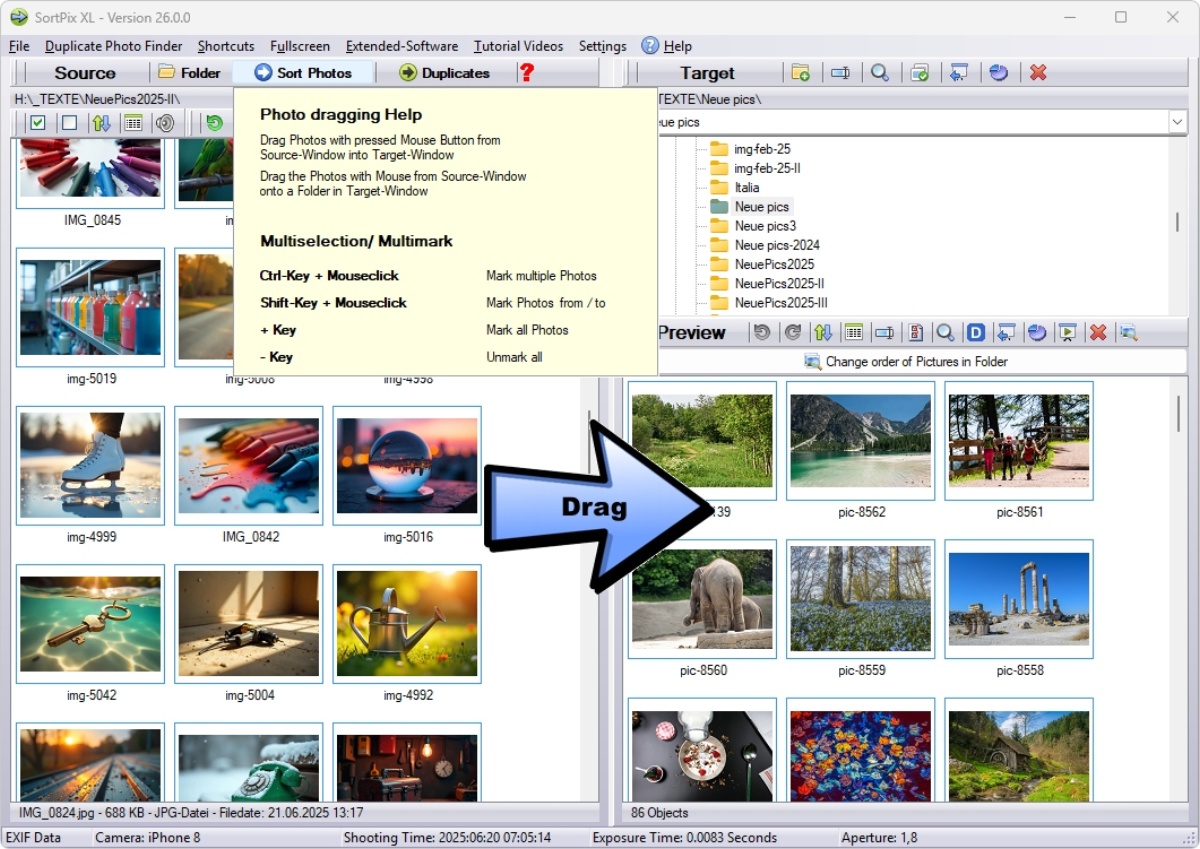
The rewards of Windows 11 photo organizing software include the cohesive recognition of EXIF data, facilitating better organization based on camera settings, location, and timestamps for easier navigation.
Effective management of digital images has become increasingly relevant in the era of smartphones and high-quality cameras. With the advent of Windows 11 photo organizing software, users are presented with various tools designed to facilitate the efficient categorization and retrieval of photographic content. One primary advantage of such software is its ability to automate the organization process, allowing users to save time and effort. By employing artificial intelligence, this software can sort images based on criteria such as date, location, and even recognized faces. Consequently, users can quickly locate specific photos within large collections without the need for manual sorting.
The recognition of EXIF data plays a significant role in improving the features of Windows 11 photo organizing software. EXIF, or Exchangeable Image File Format, contains fundamental metadata embedded within image files. This metadata includes information such as the camera settings used during capture, the date and time of the shot, and geographical coordinates if GPS functionality is enabled. By extracting and utilizing this data, photo organizing software can create a more structured organization system that is both intuitive and informative. Users can sort images by various metadata fields, making it easier to find pictures taken in specific locations or under certain conditions.
Windows 11 photo organizing software also enables users to create custom tags and albums, providing a personalized touch to photo management. This flexibility allows for more detailed categorization beyond basic chronological sorting. Users can create thematic collections, such as vacations, family gatherings, or specific events, by tagging images accordingly. The ability to customize how images are grouped can lead to a more meaningful exploration of one’s photographic history. This feature encourages users to engage with their collections more interactively.
Collaboration tools integrated within Windows 11 photo organizing software further improve the user experience. Sharing options enable users to easily distribute their curated photo collections with friends, family, or social media platforms. This immediacy lends itself to shared experiences, where moments captured in photographs can be enjoyed collectively. Furthermore, cloud storage solutions allow for remote access to these images, ensuring that they can be viewed and enjoyed from various devices. Such capabilities make Windows 11 photo organizing software a versatile tool for both personal and communal use.
In addition to EXIF data recognition, advanced search features streamline the process of locating specific images. Users can input keywords or utilize filters based on date, location, or even specific tags. This search functionality significantly reduces the time spent traversing through extensive photo libraries. The integration of visual recognition technology can also allow users to search for images based on content, such as landscapes, people, or objects. This level of precision in searching amplifies the overall user experience and effectiveness of photo management.
Another notable aspect is the support for various file formats, ensuring compatibility across a wide range of digital images. Windows 11 photo organizing software can handle popular formats such as JPEG, PNG, and RAW files. This versatility is critical for photographers who may work with different formats depending on their equipment and editing preferences. By accommodating diverse file types, the software serves a broader audience and allows users to maintain their workflows without compatibility issues. Additionally, the preservation of image quality during organization and storage is paramount for professional use.